Books Worth Holding: Why the UK's Small Presses Are Betting Against the Feed
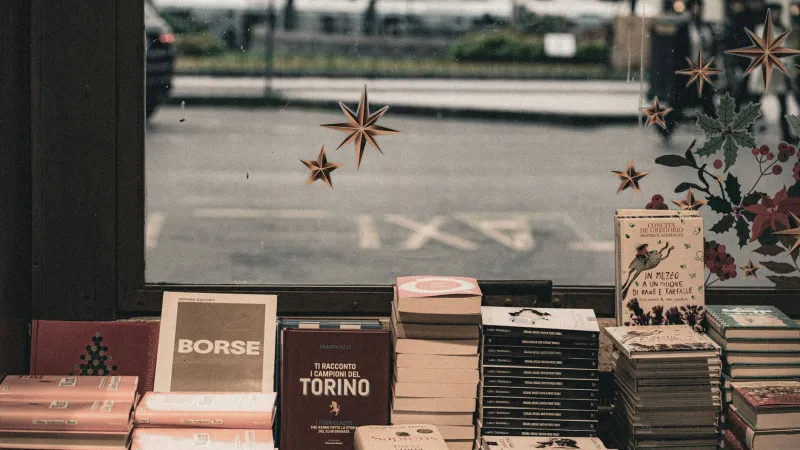
Walk into an independent bookshop in Bristol, Sheffield or Norwich on a Saturday and you will notice something the algorithms have not caught up with. The tables near the door are heavy with slim, strange, beautifully made books from publishers you have never heard of, priced between twelve and twenty-five pounds, printed in runs small enough that the person behind the counter probably knows the editor's first name.
This is not nostalgia. It is a market.
The object as the argument
What distinguishes the current wave of UK small presses from the photocopied zine culture that preceded it is that the book itself is doing the arguing. Thick uncoated stock. Sewn bindings that open flat. Covers designed as objects rather than thumbnails. A colophon at the back explaining who set the type.
Mara Ellison, who runs Harrow & Fen out of a converted outbuilding near Norwich, puts it plainly. "We are not selling a text. If you want the text you can have it for free. You are buying the decision that this piece of writing deserved to be a physical thing that sits on a shelf for thirty years."
That sounds precious until you look at the numbers. Harrow & Fen's last two titles ran to five hundred copies each and sold out in eleven weeks, largely through a pre-order list and forty-odd independent shops. No distributor advance, no supermarket deal, no three-for-two.
The economics of doing it properly
Let us be clear-eyed, because the romantic version of this story is misleading. Paper costs have climbed steeply since 2022 and have not come back down. Short runs are, per unit, expensive. A five-hundred-copy paperback with a decent cover can cost a small press four or five pounds a copy before a single envelope is bought — and that is before the ISBN, the proofreading and the twelve months of unpaid editorial labour that nobody itemises.
So how does it work? Three ways, mostly.
Subscription. Cairn Books in Edinburgh sells annual memberships that fund the year's list before it exists. It is a cash-flow solution disguised as a community.
Direct sales. Small presses now sell a serious share of their stock through their own websites and at fairs, where they keep the whole margin rather than forty per cent of it.
And the shops. This is the part that gets underreported. A generation of UK booksellers has become genuinely good at hand-selling tiny press titles, and a single enthusiastic shop in a mid-sized city can move eighty copies of a book that no reviewer has touched.
"We take fewer titles now and push them harder," says Owen Pryce, who co-owns a bookshop in Sheffield. "Ten years ago I'd take forty new things a month and hope. Now I take twelve and I read them. The small presses are the reason — they give you something to talk about."
The risk in all this is obvious. If the object becomes the point, you end up making expensive souvenirs for a small audience that already agrees with you. Scarcity is a lovely marketing story until it becomes an excuse not to reach anyone new. And a scene funded largely by the unpaid hours of editors is not a business model; it is a subsidy nobody has costed.
A slower kind of local
Still, something real is happening here, and it is bigger than books.
The same instinct that has people queueing for a bakery that only makes four hundred loaves a week, or paying a premium for a chair made two counties away, is now being applied to publishing. Tactility as a form of dissent, local identity as a reason to spend money. The presses that understand this are the ones building lists around place and craft rather than genre — Welsh-language editions with facing translations, regional anthologies that are not embarrassed to be regional, essay series about particular rivers and particular roads.
That is what a revaluation of slowness actually looks like on a balance sheet: fewer titles, higher prices, longer shelf lives, and a reader who feels like a participant rather than a customer.
It will not replace the conglomerates, and it should not try. But it has produced something the mainstream trade largely abandoned thirty years ago — books that are a pleasure to own, made by people who can name every hand involved.
If that is a renaissance, it is a quiet one, conducted at kitchen tables and in converted outbuildings, and funded by readers willing to pay twenty-two pounds for something they could get for free.
Worth holding, in every sense.