Llewellyn Alexander Culture, ideas and craft from the UK.

Llewellyn Alexander

Culture, ideas and craft from the UK.

Latest Articles

The Name at the Top: Nine UK Writers on the Byline They’ll Defend, Share or Take Back
Features

The Name at the Top: Nine UK Writers on the Byline They’ll Defend, Share or Take Back

A byline looks like a formality until it isn’t. Nine UK writers, editors and critics talk about pseudonyms, co-credits and the rare decision to remove a name — and what that says about the reader on the other side.

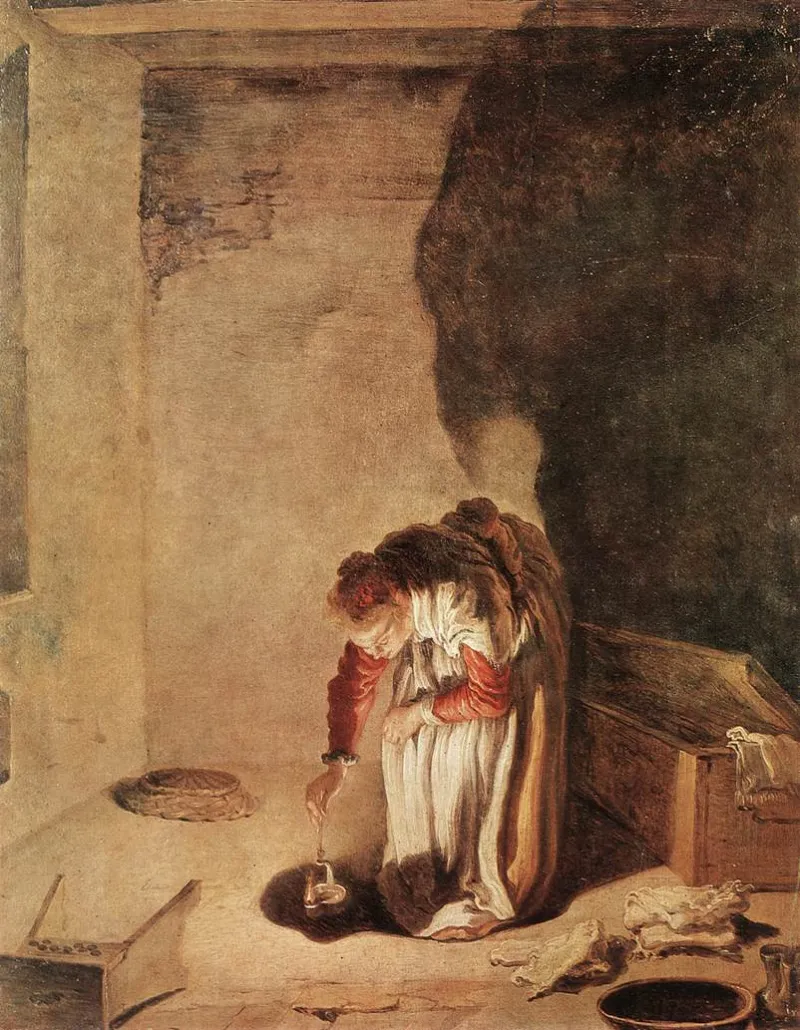
The Tool at the Bottom of the Bag: Seven UK Makers on the One Thing They Never Leave Behind
Craft

The Tool at the Bottom of the Bag: Seven UK Makers on the One Thing They Never Leave Behind

Not the flashiest tool, not the most expensive — the one that has earned a permanent place. Seven UK makers on the object that has become part of how they work.

The Box Under the Desk: What UK Venues Keep When Everyone Has Gone Home
Opinion

The Box Under the Desk: What UK Venues Keep When Everyone Has Gone Home

Every venue has a lost property box, and every box is a small accidental archive. From reading glasses to a single left shoe, what gets kept says as much about a room as what gets booked into it.

The Lights Come Up Either Way: Nine UK Artists on the Encore They Didn’t Play
Features

The Lights Come Up Either Way: Nine UK Artists on the Encore They Didn’t Play

A night out can end with a triumphant return or a clean exit. Nine UK artists explain how they decide whether an encore is earned, expected or simply unnecessary — and why the walk-off is part of the craft too.

The Room Gets a Vote: What UK Bands Learn Before the Doors Open
Features

The Room Gets a Vote: What UK Bands Learn Before the Doors Open

The soundcheck is not a rehearsal with better lighting. It is a short, practical conversation between a band, a desk and a building — and the throwaway riffs, repeated phrases and deliberate silences often reveal more than the show itself.

Twenty Minutes, Well Held: How UK Theatres Keep the Interval in Character
Features

Twenty Minutes, Well Held: How UK Theatres Keep the Interval in Character

The interval is not a pause in the performance — it is a second stage with its own cues, queues and quiet resets. Front-of-house managers, ushers and directors explain how UK theatres choreograph the twenty-minute break, and what happens when it slips.

What Your Prices Say Before You Do
Features

What Your Prices Say Before You Do

A rate card is often the first proper conversation a freelancer has with a client, long before either of them says hello. This piece looks at how UK designers, makers and consultants use public pricing to signal taste, boundaries and the work they actually want.

What Gets Written Down Gets Respected: The UK Touring Rider as a Working Agreement
Features

What Gets Written Down Gets Respected: The UK Touring Rider as a Working Agreement

The rider is often treated as the punchline of touring, but in UK venues it is really a practical test of advance communication. A good one protects crews, sets boundaries and tells a room exactly what kind of show is about to walk through the door.

The Scratches Are the Story: How UK Studios Write a Case Study People Actually Read
Features

The Scratches Are the Story: How UK Studios Write a Case Study People Actually Read

A good case study is not a lap of honour. Across UK studios, the most useful examples show the wrong turns, name the people who did the work, and leave the reader with something they can use. Here is how creatives are learning to show their working without turning it into a boast.

A Small Piece of the Night: Why the UK Gig Ticket Refuses to Disappear
Features

A Small Piece of the Night: Why the UK Gig Ticket Refuses to Disappear

The barcode already lives on your phone, so why are UK venues spending real money on risograph stubs, perforated edges and paper worth pinning to a wall? A look at the quiet revival of admission as an object — and what it says about memory, craft and the limits of the digital door.

The Pause Before the Cut: What UK Workshops Teach When the Manual Stops
Features

The Pause Before the Cut: What UK Workshops Teach When the Manual Stops

In UK workshops, the most important lessons rarely make it into an induction pack. They arrive in the pause before a cut, the scrap bin of near-misses, and the quiet responsibility of standing beside someone until judgement becomes habit.

Leave It Better Than You Found It: Seven UK Tour Managers on the Quiet Craft of the Exit
Features

Leave It Better Than You Found It: Seven UK Tour Managers on the Quiet Craft of the Exit

The applause is the easy part. The last hour in a venue — coiling, counting, thanking, reversing a van — is where a tour’s reputation is actually made. Seven UK tour managers explain why a good exit is a professional handover, not a getaway.

Fold It Like You Mean It: Nine UK Touring Acts on the Merch Stall as a Second Stage
Features

Fold It Like You Mean It: Nine UK Touring Acts on the Merch Stall as a Second Stage

The lights go up, the crowd drifts to the back, and the real second set begins at a folding table with a card reader. Nine UK touring musicians and tour managers on stock, signage, pricing and the quiet choreography of a good handshake.

Two Names, One Invoice: How UK Creative Duos Learn to Share the Front Door
Features

Two Names, One Invoice: How UK Creative Duos Learn to Share the Front Door

Joint billing looks like a typographic detail until a client asks who is actually in charge. A look at how UK studios, bands and maker teams negotiate the order of names, the ampersand and the shared logo — and what to settle before the first client email goes out.

Read This Before You Use It: The Aftercare Note UK Makers Are Treating as Craft
Features

Read This Before You Use It: The Aftercare Note UK Makers Are Treating as Craft

A handwritten care card is usually the last thing in the box and the first thing thrown away. Across the UK, independent ceramicists, furniture makers and jewellers are rethinking that scrap of paper — treating aftercare as part of the object, not a disclaimer. Seven makers explain what they write, what they leave out, and why the final note may be the most personal thing they send.

Pay Me Like You Mean It: What a UK Freelancer’s Invoice Says Before the Kick-Off
Features

Pay Me Like You Mean It: What a UK Freelancer’s Invoice Says Before the Kick-Off

Before the brief is signed and the kettle goes on, a UK freelancer’s invoice has already said something about trust, boundaries and taste. Makers, designers and musicians explain why payment terms are less admin and more a first handshake in PDF form.

The Door Is an Edit: How UK Small Venues Really Build a Guest List
Features

The Door Is an Edit: How UK Small Venues Really Build a Guest List

A guest list looks like a freebie. In small UK venues it is closer to an editorial act — a way of thanking collaborators, seeding a scene and deciding what kind of room you want to be. We spoke to promoters, door staff and programmers about how the comp list really works, and where it starts to strain.

Waiting Rooms With a Sense of Occasion: How UK Venues Warm Up a Crowd
Features

Waiting Rooms With a Sense of Occasion: How UK Venues Warm Up a Crowd

The queue outside a UK venue is not dead time. It is a threshold, a rehearsal and sometimes the best bit of the night. We spoke to nine front-of-house teams about signage, foyer lighting and the quiet craft of making people wait well.

Stapled to the Lamp Post: The Quiet Power of the UK Gig Flyer
Features

Stapled to the Lamp Post: The Quiet Power of the UK Gig Flyer

Long after the feed has moved on, a handmade gig flyer is still doing its job on a noticeboard, a toilet door or a kitchen wall. We look at why independent UK promoters still treat print as part of the performance — and what a good flyer tells an audience before a single note is played.

Songs That Stay in the Room: Eight UK Producers on the Art of Not Releasing
Features

Songs That Stay in the Room: Eight UK Producers on the Art of Not Releasing

Every producer has a folder of tracks that never made it out. We spoke to eight UK producers about the demos they keep private, why those songs matter, and what the pressure to publish does to the craft of finishing.

Recommended

online casinos