What Gets Written Down Gets Respected: The UK Touring Rider as a Working Agreement
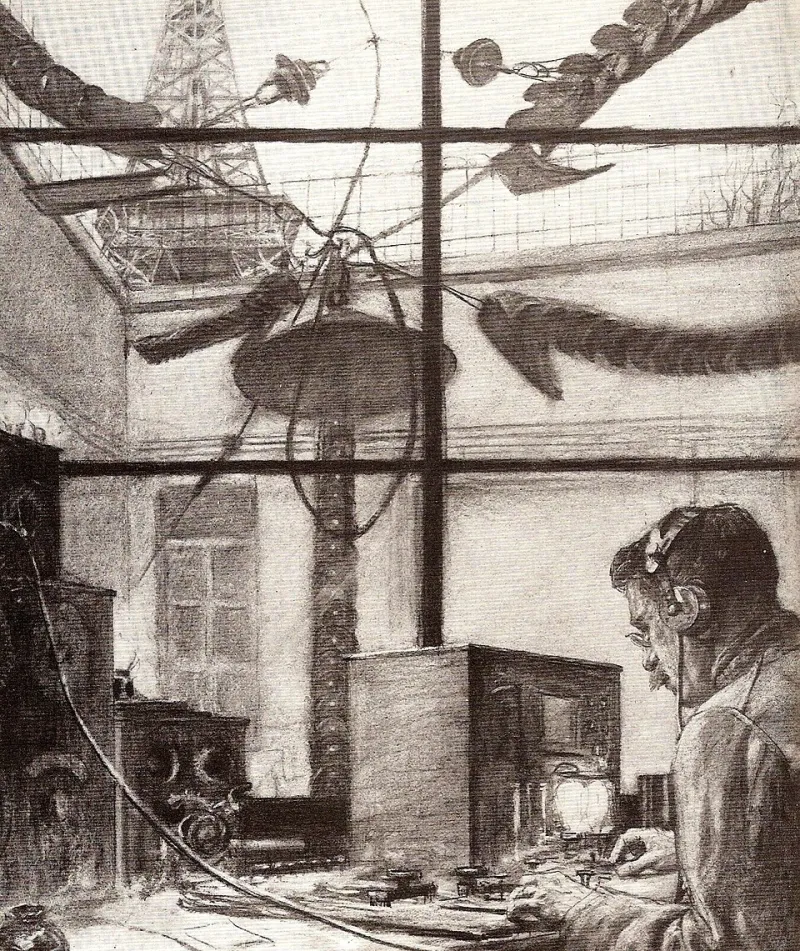
Photo: Unknown, Public domain, via Wikimedia Commons
There is a particular kind of optimism in a rider. It is written weeks before the van is packed, usually late at night, by someone trying to imagine a room they have never stood in. It says: here is what we need, here is what we do not need, and here is how we would like the day to go. Done badly, it reads like a list of demands. Done well, it reads like a conversation that has been kind enough to arrive early.
That distinction matters more than the touring world sometimes admits. The rider is not just a technical inventory or a hospitality wish list. In small UK venues, arts centres, village halls and 200-cap rooms above pubs, it is often the first proper piece of communication between an artist and a promoter. It is where professionalism gets made concrete.
The advance is the gig before the gig
Ask any tour manager and they will tell you the same thing: the show is often won or lost in the advance. That is the unglamorous stretch of emails, phone calls and shared documents where both sides work out what the room can actually do. Can the load-in happen before the school run? Is there a lift, or a flight of stairs with a turn halfway up? Does the house have enough power for the backline, and does anyone know where the nearest hardware shop is when a cable dies?
A useful rider answers those questions without turning into a novel. It is clear about the non-negotiables and relaxed about the rest. It says what the act will bring and what it expects to find. It names the person who can make decisions on the day. It does not assume the promoter has read every previous email, because promoters are busy and so are artists.
The best riders feel like a hand extended, not a finger wagged. They give the venue something to work with.
Boundaries are not diva behaviour
There is a lazy old joke about riders being a window into ego. Most of the ones I have seen are the opposite. They are a window into experience. A line asking for a private space before doors is not a demand for luxury; it is often how a singer protects their voice or a performer manages anxiety before a show. A request for a quiet hour after soundcheck is not a snub to the promoter. It is how the band gets into the right headspace.
The same goes for the technical pages. If a drummer asks for a specific monitor mix or a guitarist wants the amp isolated, that is not fussiness. It is usually the result of a previous gig where something went wrong and everyone spent the night apologising. A rider is a memory of past problems turned into a plan.
That is why the tone matters. A boundary written as a threat invites resistance. A boundary written as information invites cooperation. The difference between 'do not enter the stage during set' and 'please keep the stage clear during the performance — we will come to you if we need anything' is not enormous in word count, but it is enormous in practice.
What a small room needs to know
Small venues are not smaller versions of big ones. They have their own logic. The dressing room might be a store cupboard. The loading bay might be a double yellow line. The sound engineer might also be the bar manager, the door steward and the person who knows where the spare kettle is kept.
A rider for that kind of room should be honest about scale. It should not ask for a production office if there is no office. It should not assume a full crew if the venue has one technician and a very willing volunteer. It should say what can be trimmed if needed, and who to call if something changes.
The most useful riders I have read include a short 'if you are short on time' section. Something like: these three things matter most; the rest is helpful but not essential. That is not a lack of ambition. It is respect for the reality of the day.
The hospitality page is a values page
Hospitality riders get the headlines, but they also reveal a lot about how an act works. A request for proper meals rather than crisps and biscuits is not glamour; it is a recognition that a crew has been driving since dawn. A note about dietary needs is not a fad; it is how you make sure everyone can do their job. A line asking for water in reusable bottles says something about how the tour wants to behave.
Some of the best examples are quietly practical. A request for a clean towel and a bin bag. A note that the band will clear up after itself. A reminder to put the fee on the correct invoice. These are small things, but they add up to a working culture. They tell the venue that the artist has thought about the room and the people in it.
That is the part the punchline always misses. The rider is not just about what an artist wants. It is about what they are willing to be responsible for.
Write it so a stranger can use it
A good test for any rider is whether someone who has never met the act could pick it up at 2pm on a chaotic day and know what to do. That means plain language, sensible headings and no reliance on in-jokes. It means putting the important information first. It means checking the venue's actual address, not the one from the last tour.
It also means updating it. A rider copied from three years ago is not a document; it is an artefact. Rooms change. Crews change. The show changes. The rider should change with them.
The rider is a promise in both directions
When a rider works, nobody notices it. The load-in happens. The soundcheck ends on time. The promoter knows where to put the merch table. The artist knows which door to use. The show happens, and everyone goes home a little less frayed.
That is the quiet craft of it. The rider is not the opposite of spontaneity; it is what makes a good night possible. It is a conversation written down so that everyone can remember their part. And in the UK's smaller rooms, where the margins are tight and the goodwill is everything, that conversation is worth getting right.