Before Monday: Nine UK Makers on the Sunday Habits That Keep the Work Honest
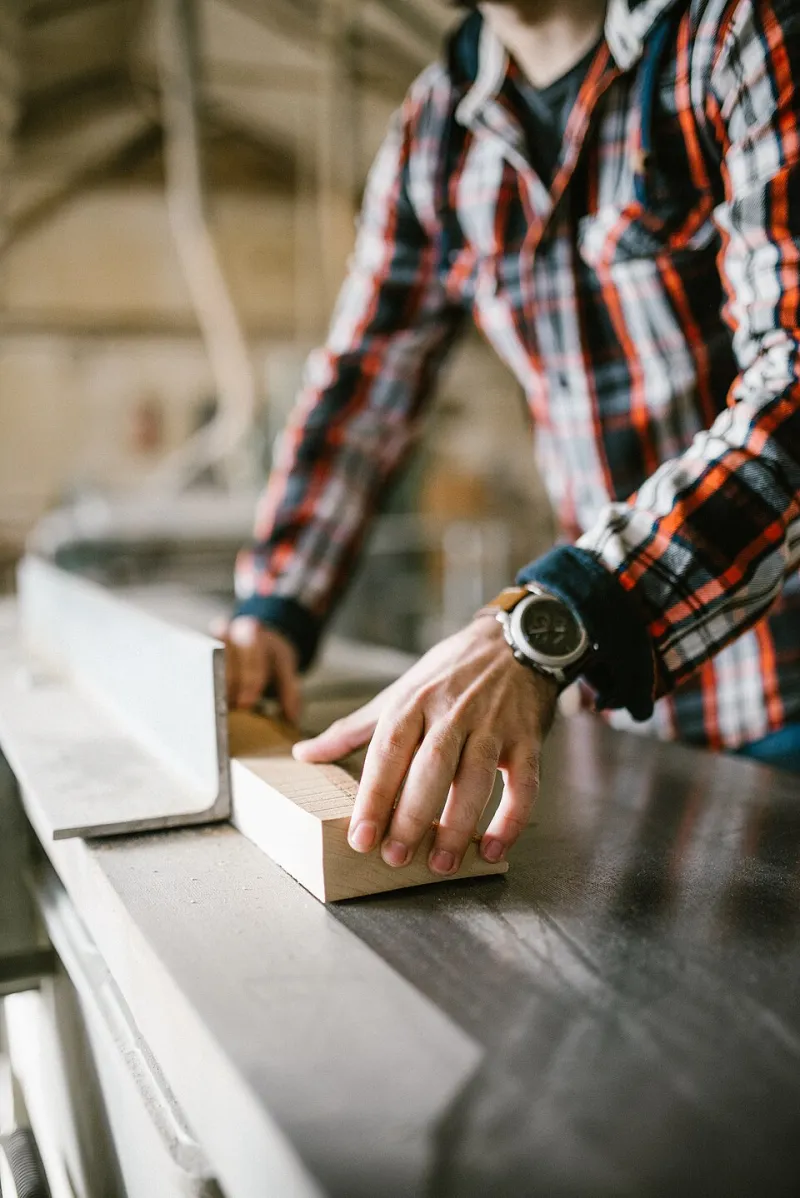
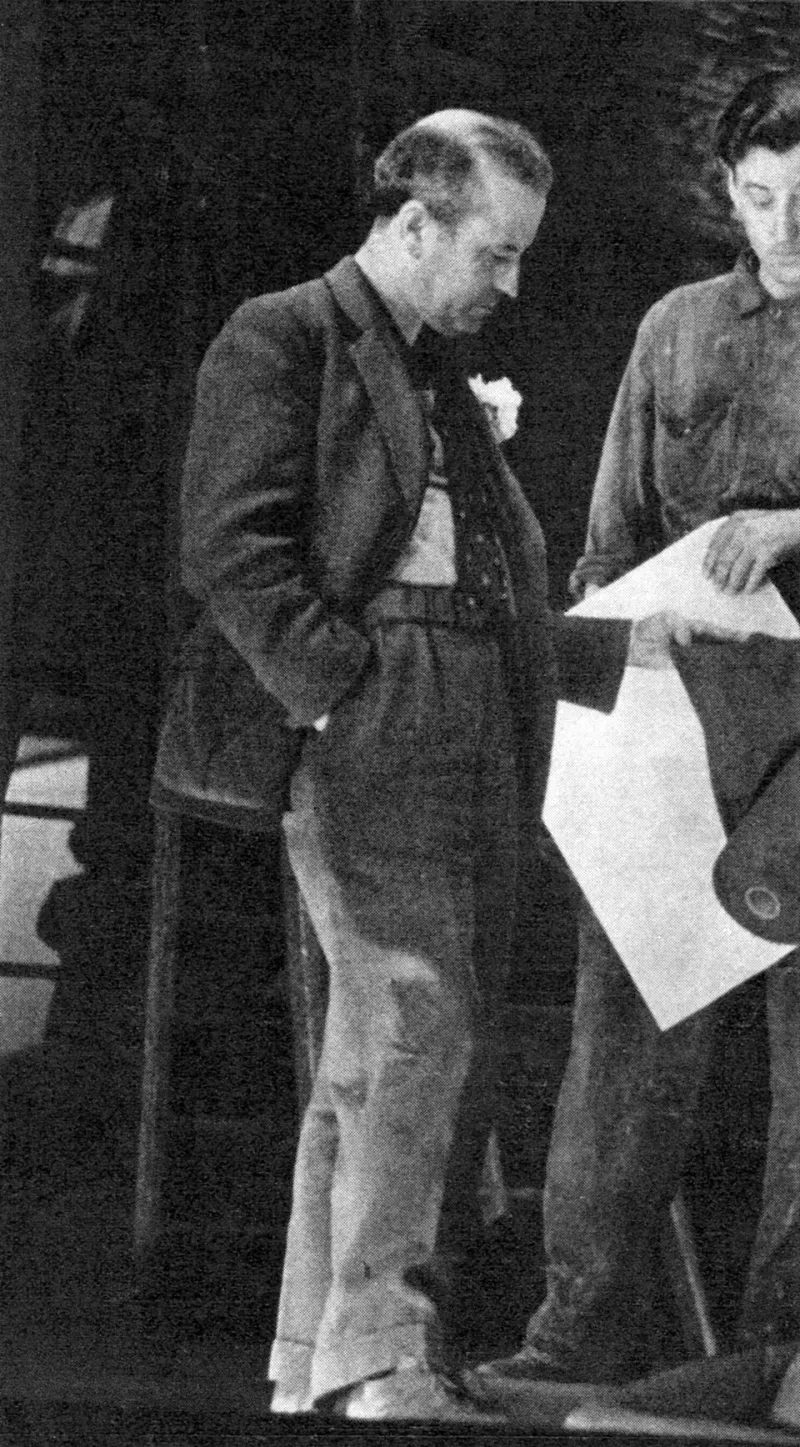
Photo: Shixart1985, CC BY 2.0, via Wikimedia Commons
There is a particular kind of Sunday afternoon quiet in a workshop. The radio is on low, someone's kettle has just gone, and the tools are being put back where they belong. It is not glamorous and it would make a terrible advert. But ask a maker, a writer or a designer how they start the week with anything resembling a clear head, and the answer is almost always a small, unremarkable thing they do the day before.
So we asked nine people, across the UK, to describe theirs. Nobody mentioned an app. Almost everybody apologised for how boring it sounded, which is usually a sign that it works.
Sharpening, oiling, covering up
Callum Boyd makes furniture from a workshop behind a terrace in Glasgow's East End. Sunday morning, before anything else, he sharpens. "Not because I need to," he says. "Two chisels would do. I do the lot. It's the only hour of the week where I'm not trying to finish something." He reckons the habit has saved him more money in ruined timber than any jig he has ever bought.
Down in Hebden Bridge, letterpress printer Ruth Ellery runs a cloth over the press, oils the pivots and then leaves the building. That last part is the ritual. "I used to stay and 'just do a bit'. You can't. The press pulls you in. Now I lock the door and walk the canal to Mytholmroyd and back, and I don't take anything with me that has a screen on it."
Ceramicist Iwan Prichard, who works out of a shared studio in Cardiff, does the least dramatic thing imaginable: he writes one paragraph on paper about what went wrong that week. Not a plan, not a to-do list. A paragraph. "It goes in a shoebox. I've never read one back. The point isn't the record, it's getting the noise out of my head and onto something I'll never look at again."
The route you know by heart
Several of the people we spoke to mentioned walking, but never as exercise. It was always the same walk.
Food writer Freya Sanderson has done the Sunday loop around Norwich's market and back through the lanes for eleven years. She buys stock bones, a loaf, and something she has not cooked before. "The route matters more than the shopping. Same streets, same time, same order. My brain has stopped needing to make decisions on it, which means it starts making connections instead. Half my best ideas arrive somewhere between the cheese stall and the bridge."
Photographer Mick Doherty, in Belfast, walks the same stretch of the Lagan with a camera and deliberately does not use it. "I take it so I stop thinking about taking pictures," he says. "If I leave it at home I spend the whole walk composing shots in my head. Carrying it and not shooting it is a kind of permission to switch off."
And in Sheffield, sound designer Dan Merrick takes his daughter to the same park bench, where he does absolutely nothing for forty minutes while she runs about. "It's the only time in my week where I'm not optimising anything. I've stopped feeling guilty about it. It's the reason Monday isn't a catastrophe."
Paper, ink and tomorrow
Book designer Nadia Osei, who works from a spare room in Peckham, spends part of Sunday with proofs spread across the floor — but only the physical ones, and only until six. "After six I read a book I didn't design. That's the rule. I need to remember what reading feels like when nobody's judging the kerning."
Textile designer Priya Raman, in Leicester, tidies. Properly tidies — swatches re-filed, samples folded, the offcuts binned. "It takes about ninety minutes and it is entirely uncreative and I would defend it with my life. Monday morning, I walk in and the room is already on my side."
And Elin Vaughan, a poet and editor in Aberystwyth, does her admin. "Invoices, emails, the boring stuff. Sunday evening, half an hour. I know that's the least romantic answer possible. But a week where I'm chasing an unpaid invoice is a week where I'm not writing, and I've learned that the hard way."
Why the small stuff holds
None of this is productivity advice. If anything, it's the opposite — a set of habits designed to protect the parts of the work that don't scale. Callum's sharpening doesn't make more chairs. Ruth's walk doesn't sell more prints. But all nine described the same effect: a decision made on Sunday means one fewer decision to make on Monday, and judgement is a finite resource.
There is something else, too, and it came up more than once. A ritual is a boundary with a shape. It tells you when to stop as clearly as it tells you when to start, which is why so many of them involve leaving a room rather than entering one.
So the Sunday reset, as practised across the UK's studios and spare rooms, turns out to be mostly about absence. A closed door. A walk with no purpose. A press left alone, oiled, waiting.
Monday can do what it likes after that.