Sawdust and Second Acts: Seven UK Workshops Turning Leftovers into a Living
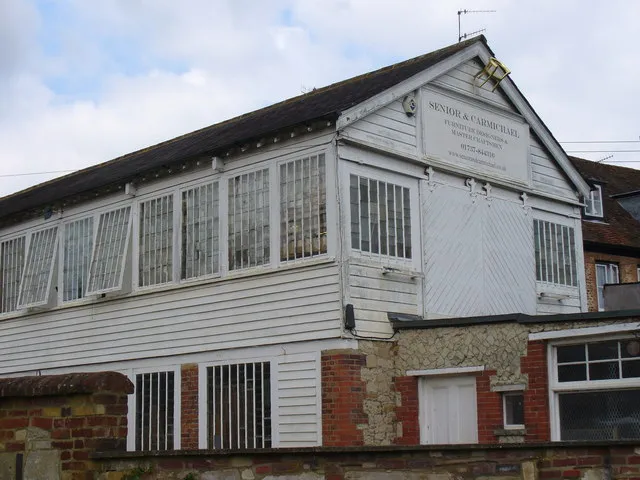
Photo: Colin Smith, CC BY-SA 2.0, via Wikimedia Commons
Ruth Ellery keeps two bins under her bench in Bristol. One is for rubbish. The other, labelled in marker pen, is for “maybe”. For years the maybe bin was where good oak went to feel guilty. Now it is the seed stock for a second range of pegs, boards and low stools that sells faster than the kitchens that produce it.
That shift is happening in workshops across the UK. Offcuts, seconds, misprints and deadstock are being turned from a nagging conscience into a deliberate line of business. Not a charity project, not a box by the till, but a named range with a price, a shelf and a page on the website.
The bin bag as a balance sheet
Every workshop has a waste stream. The furniture maker has shorts and sapwood. The printer has misregistration and trim. The jeweller has sweeps and scrap. The fashion studio has end-of-roll and sample seconds. Traditionally these went to the bin, the burner, the rag man or the back of the van.
What has changed is the accounting. Makers are working out what the leftover actually costs to store, sort, photograph and sell — and what it can earn when it is treated as a product rather than a problem. The old model was to give it away and feel virtuous. The new model is to price it and see if it stands up.
Seven makers, seven leftovers
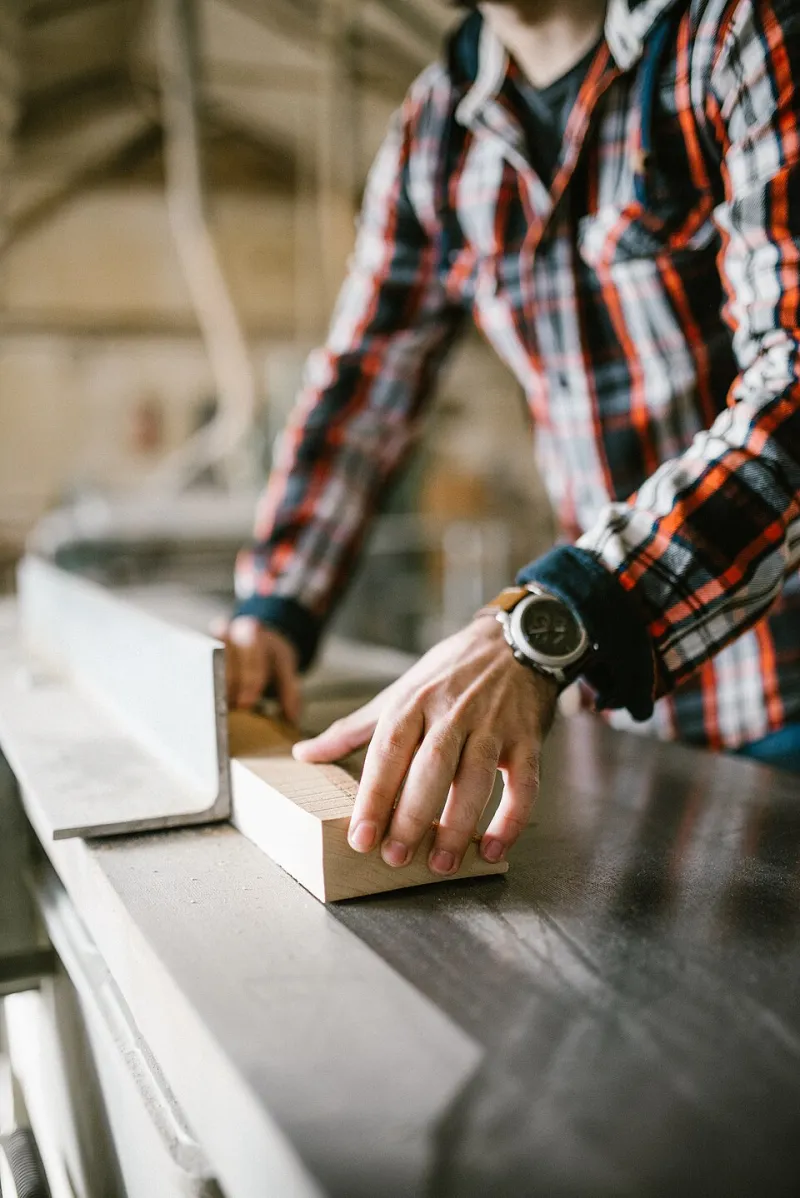
Ruth Ellery, furniture, Bristol. Ellery’s kitchen commissions produce oak and ash offcuts by the crate. Her second range — chopping boards, coat pegs, step stools — is made in batches on Fridays. “The big job pays the rent,” she says. “The small stuff pays for the machinery.” Prices run from £18 to £120. Kindling goes to the neighbour with a wood burner.
Nadia Okonjo, print, Leeds. Okonjo’s riso studio has a permanent pile of test sheets and misprints. She now sells them as “proof packs” and binds end-of-run prints into notebooks. “The mistake is the product,” she says. “People want the thing that shows the process.” Packs start at £6.
Callum Mackie, denim repair, Glasgow. Mackie turns deadstock from Scottish mills and worn-out charity-shop jeans into patch kits and repair packs. A £14 kit comes with needles, thread and a scrap of selvedge. “It is a small product with a long story,” he says. “And it keeps a pair of jeans out of the bin.”
Priya Deshmukh, jeweller, Birmingham. In the Jewellery Quarter, Deshmukh remelts silver scrap into small charms and sends bench sweeps to a refiner. “The sweeps are a savings account,” she says. “You do not see the money until you send them.” She hallmarks every piece, however small.
Bea Hollis, bookbinder, Norwich. Hollis cuts paper offcuts into bookmarks and pocket notebooks, sold in bundles tied with linen thread. “Paper is the thing everyone underestimates,” she says. “A box of lovely paper is not waste; it is stock with no plan.”
Iwan Price, slate, North Wales. Price’s slate offcuts become coasters and house signs. The material is cheap; the postage is not. He sells locally and at two craft fairs a year. “Heavy things teach you to sell close to home,” he says.
Tom Fenwick, ceramics, Stoke-on-Trent. Fenwick keeps a “second shelf” of kiln failures and glaze seconds, each labelled with what went wrong. “Seconds are not a moral failure,” he says. “They are a different grade.” The shelf is now a regular Saturday destination.
The labour problem
The uncomfortable truth is that leftovers are free, but time is not. A crate of offcuts is not an asset until someone has decided what it is, cut it, sanded it, photographed it, listed it and answered the email about it.
Several makers describe the same trap: pricing the leftover at material cost and forgetting the hour. The fix is unglamorous. Decide a rate for your own time, even if it is £25 an hour, and build it into the price. If the product cannot carry it, it is a hobby, not a second business.
Storage is the other quiet cost. A corner of a workshop is not free if it stops you walking to the bench. One maker in Leeds now keeps a strict rule: if a box of scraps has not been used in six months, it goes to a school or a community workshop.
What makes it a business, not a balm
The makers making this work tend to share a few habits. They name the range. They keep it small. They grade honestly — first, second, sample — and say so on the label. They photograph the process, not just the product. And they decide where it is sold: online, at markets, from a shelf by the door.
The difference between a sideline and a second business is whether you would do it on a bad Tuesday. If the answer is yes, it needs a price list, a stock system and a day in the calendar. If the answer is no, it is a nice thing to do with a nice offcut, and that is allowed too.
The brand question
There is a risk in all this. “Sustainable” is now a crowded word, and customers can smell a guilt purchase from across the room. The story of the leftover is good; the product has to be better. A badly finished chopping board with a lovely origin story is still a badly finished chopping board.
The credible version is specific. Not “zero waste”, but “this peg was the end of a kitchen”. Not “eco”, but “deadstock from a mill in the Borders”. Specificity is harder to fake and easier to remember.
Ellery’s maybe bin is not a museum. It is a warehouse. The point is not to keep every scrap; it is to decide which scraps deserve a second life and then give them a proper one. The bin bag, it turns out, is a balance sheet. You just have to read it.